
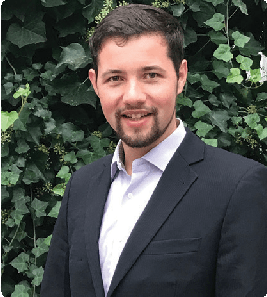
对扬‧豪格来说,没有什么是比保护环境更让他兴奋。
当他还是一名18岁的高中生时,就加入了德国的一个政党,想要为解决全球环境问题贡献自己的一份力量。
大学时,他就会邀请朋友们观看有关环保的电影,并尝试在饮食、旅行、清洁剂、卫生等方面作出改变,让自己的生活方式变得更为绿色环保。在与室友合住时,他甚至会走遍整个公寓,关掉所有不需要使用的灯。不过,扬‧豪格的生活方式也对他人造成了困扰。
扬‧豪格像是一位传教士,不过他的信仰不是相信耶稣,而是保护环境。
扬是一名国际贸易专业的学生,他获得了在一家支持环保的银行实习的机会,并决定在挪威首都奥斯陆(Oslo)完成一项国际性的工作。但他很难在奥斯陆(Oslo)找到便宜的住处。后来,扬想起了两年前遇到的一家人,当时为了学习如何更好地自力更生自给自足,他在他们的农场上干了度过了一个夏天。于是,扬就写邮件向他们求助。几天后,他们回复说,已经在奥斯陆给他找到了住的地方。
到奥斯陆后(Oslo)不久,扬发现到自己周围都是基督复临安息日会的信徒。原来这个住处是教会为复临信徒学生提供的。他住在其中一个小房间,他的新室友戴维·米克尔森是一位复临信徒,而扬是来自前东德坚定的无神论者,而东德是世界上无神论者最集中的地方,有超过60%的东德人认为自己是无神论者。
扬虽然很感激能有住的地方,但他心想:「他们会试图改变我的信仰,不过他们不可能成功。因为我知道我所相信的是什么。」
前三个月并没有发生什么事。
扬喜欢这些复临信徒学生,他们对他亲切友好,就算他违反了规定喝酒,这些学生依然对扬照顾有加,他非常信任他们。
有一天,扬受邀与50位复临青年一起乘船前往挪威南部游玩。扬很享受这次航行,而且很高兴这些年轻人对他保护环境的环保追求感兴趣,他很开心。
之后,其中一位青年领袖裘凯‧玖特蓝(Joakim Hjortland)邀请扬与他一起学习《圣经》。扬对他的邀请并不感兴趣,但他不想直接拒绝,于是就试图找一个充分的借口来婉拒他。
「我们今天没有时间,」他说,「也许明天吧!」
第二天早上,裘凯说:「嘿,还记得昨天我们说的吗?一起学习《圣经》怎么样?」
扬又试着找了另一个借口:「我没有《圣经》,所以没法和你一起学习。」后来,扬称这是他能想出最愚蠢的借口,因为他周围的人都有《圣经》。不一会儿,扬的手上就拿到了一本《圣经》。
一个人必须先相信《圣经》是上帝的话语,才能够相信《圣经》,而扬并不相信有上帝。裘凯打开但以理书第二章,和扬一起学习。当扬听到但以理对巴比伦、玛代-波斯、希腊和罗马帝国兴衰的预言时,他震惊了。因为他看到现今欧洲的分裂,正如预言里那雕像脚上的铁和泥土一样,半强半弱,联合却不得真正融合。
扬断定《圣经》包含超自然的信息,于是他买了一本《圣经》准备进一步研读。在奥斯陆,复临信徒朋友们帮他在《圣经》里找到了许多问题的答案,比如罪的起源,为什么上帝没有消灭撒但,为何《圣经》对创造的解释比进化论更有说服力等等。终于有一天,扬决定信上帝。
「我从没想过我会成为一名基督徒,但是《圣经》中的证据实在太多了。」他说,「上帝肯定存在。如果真有上帝,祂就一定是祂所宣称的那样,那么人就没有理由不跟从祂。谁想要加入战争中已经溃败的那一方?那太愚蠢了。而我想要站在胜利的阵营里。」
扬今年30岁,目前在奥地利的伯根赫芬神学院(Bogenhofen Seminary)学习,他想要成为一名牧师。毕业后,他希望能传福音给德国东部的无神论者和环保主义者。他说:「我特别想帮助那些希望用自己的力量拯救世界的环保运动人士。如果他们能认识耶稣,并把所关心的事交给祂,那么,他们的努力就能被引导到正确的方向。他们是一群布道士,但没有耶稣,他们的工作不会为他们带来永生。」
Atheist Missionary
Nothing thrilled Jan Haugg more than saving the environment.
As an 18-year-old high school student, he joined a German political party to tackle global environmental problems.
At the university, he invited friends to watch environmental films and tried to make his own life greener through choices in food, travel, cleaning
agents, and hygiene. He even went through apartments that he shared with roommates and turned off unneeded lights, much to the annoyance of others.
He was a missionary, but without Jesus. His religion was saving the environment.
As an international business
student, Jan secured an internship at
an environmentally friendly bank and decided to fulfill an international work requirement in Norway’s capital, Oslo. But he had trouble finding an affordable place to stay in Oslo. Then he remembered
GERMANY | February 22 Jan Haugg, 30
a family that he had met two years earlier while, in an attempt to learn how to be more self-sufficient, he had spent a summer on a Norwegian farm. He e-mailed the family for help and, several days later, they replied that they had found a place in Oslo.
Soon after Jan arrived in Oslo, he realized that he was surrounded by Seventh-day Adventists. His new roommate, David Mikkelsen, was an Adventist living in a small room in
a church-owned home for Adventist students. Jan was a die-hard atheist from the former East Germany, which has the highest concentration of atheists in the world. More than 60 percent of the east German population identifies as atheist.
Although grateful for a place to stay, Jan thought, “They will try to convert me, but they won’t get me. I know what I believe.”
Nothing happened for three months. Jan liked the Adventist students, and they treated him kindly, even when he violated the rules with alcohol. They gained his confidence by taking care of his needs.
One day, Jan was invited to join 50 young Adventists on a boat trip to southern Norway. Jan enjoyed the outing and was pleased that the youth showed interest in his desire to protect the environment.
Then one of the youth leaders, Joakim Hjortland, invited Jan to study the Bible with him. Jan wasn’t interested, but he didn’t want to offend Joakim. He tried to come up with a good excuse.
“We don’t have time today,” he said.
“Maybe tomorrow.”
The next morning, Joakim said, “Hey,
remember what we talked about yesterday? How about studying the Bible?”
Jan tried another excuse. “I can’t study the Bible because I don’t have a Bible,” he said. Later, he called it the stupidest excuse that he could have given. He was surrounded by people with Bibles. Within moments, he was holding a Bible.
To believe the Bible, a person first needs to believe that it is God’s word. Jan didn’t believe in God. Joakim opened the Bible to Daniel 2. Jan listened with shock to Daniel’s prophecy about the rise and fall of the kingdoms of Babylon, Medo- Persia, Greece, and Rome. He saw that present-day Europe was fragmented as shown in the statue’s feet of iron and clay.
He decided that the Bible contained supernatural information and bought
one for further study. In Olso, Adventist friends helped him find biblical answers to questions about the origin of sin, why God hadn’t destroyed Satan, and how
the biblical account of Creation could be believed over evolution. The day came when he decided to give his heart to God.
“I never wanted to become a Christian, but the weight of the evidence was too heavy,” he said. “There must be God. And if God is there, and He is who He says He is, then there is no logical consequence but to follow Him. Who wants to join
the losing team that has already lost the battle? That would be stupid. I wanted to be on the winning team.”
Today, Jan is 30 and training to be a pastor at the Bogenhofen Seminary in Austria. After graduation, he hopes to
share the gospel with atheists in eastern Germany as well as with environmental activists. “I especially want to minister to the green movement people who want to save the world with their own strength,” he said. “If they would just get Jesus
into the picture, their efforts could be channeled into the right direction. They are missionaries, but without Jesus, their work will not result in eternal life.” þ
Part of this quarter’s Thirteenth Sabbath Offering will help renovate the main building at Marienhöhe Academy in Darmstadt, Germany. Thank you for planning a generous offering.
 现代真理
现代真理 